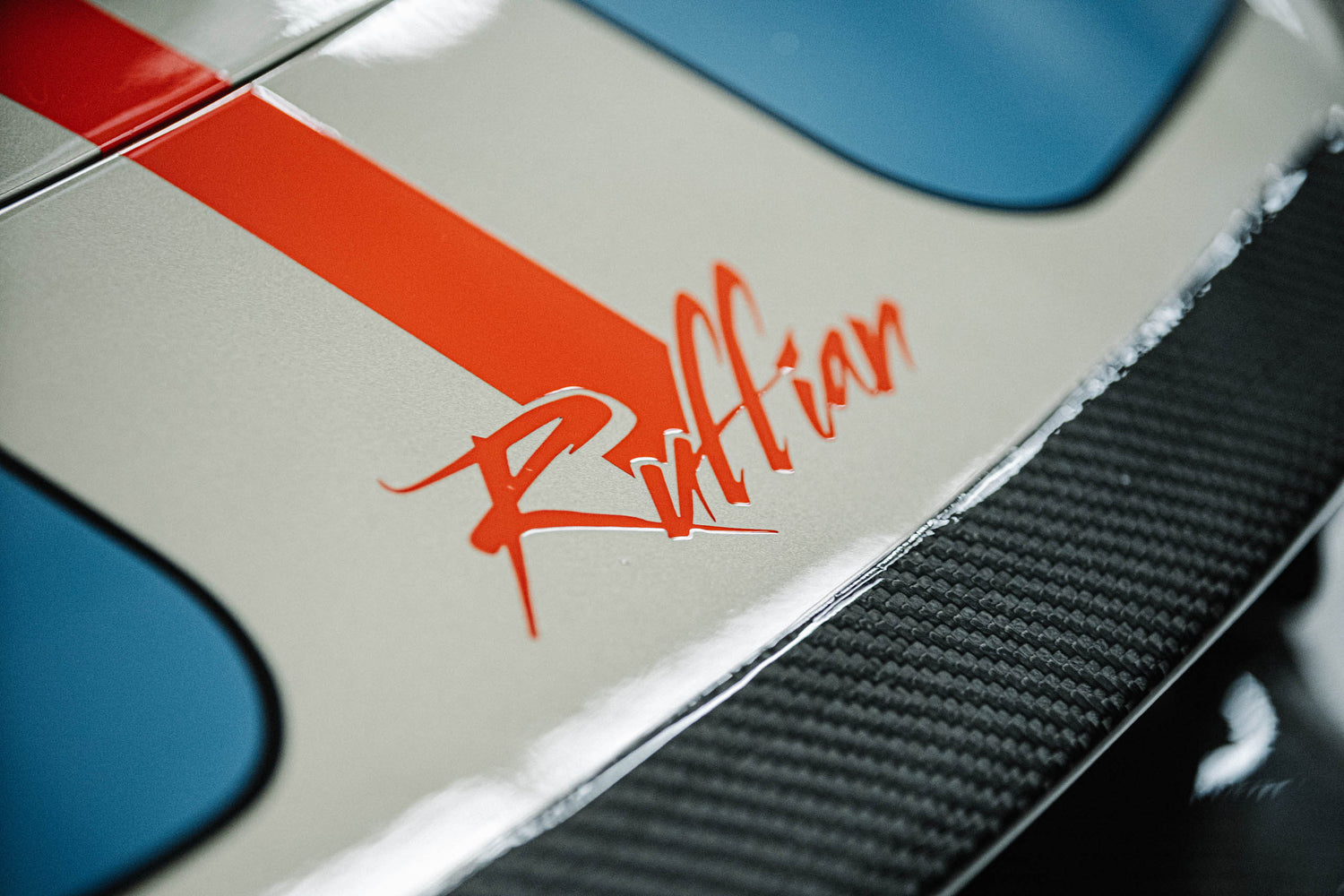

How a Ruffian Comes Together

Phase 1: Consultation & Definition
Every project begins with a conversation.
This phase establishes the foundation for every decision that follows. We focus on understanding not just what the client wants, but how the car is meant to be used.
Topics typically include:
- Intended use (street, long-distance, track, mixed)
- Driving style and experience level
- Performance priorities and constraints
- Visual direction and design preferences
- Initial ideas for component selection
- Budget range and timeline expectations
The outcome of this phase is a clearly defined mission that guides engineering, design, and execution.
A non-refundable $2500 deposit is required to move to Phase 2. This covers the cost of building an estimate and creating initial concept art.

Phase 2: Concept, Part Selection and Estimate
Initial sketches are created.
Version 1 Estimate based on part selection, labor expectations and budget constraints.
There is no default component or chassis solution. The objective is to select the architecture that best supports the theme, part selection and intended driving experience.
A signed contract and build deposit is required to move to Phase 3.

Phase 3: Component Collection, Design & Engineering
Before we can start building, we need all major components on hand. This can take up to ten months for specialty items like a Roadster Shop Chassis.
If we are developing an in-house chassis, this is a good time to complete our engineering and design:
Engineering Development
- Chassis design based on donor vehicle measurements, plus any required modifications
- Suspension geometry and setup targets
- Roll cage integration
- Chassis rigidity tests
- Powertrain integration
- Stance, ride height, and track width
Design and engineering progress together. Visual decisions are evaluated for function, and engineering solutions are resolved with design coherence in mind.

Phase 4: Fabrication & Assembly
Once design and engineering are finalized and we have all major components on hand, fabrication begins.
This phase may include:
- Chassis fabrication or modification
- Suspension and drivetrain installation
- Floor pans, firewall, engine bay, trunk fabrication
- Interior cleanup, panels, transmission tunnel, pedal assembly, seat mounts, dash
- Roll cage integration
- Bodywork, including hand-built fender flares and aero components
- Body panels installed and gapped, adding or removing metal as necessary for modern fitment
- Electrical system construction using modern power distribution and control modules
- Cooling system
- Custom driveline
- Brake lines, oil lines, cooling lines

Phase 5: Systems Integration & Initial Testing
As the vehicle comes together, systems are integrated and configured as a whole.
This includes:
- ECU configuration and engine management setup
- Power distribution and electrical validation
- Hydraulic systems testing
- Cooling system burping
- Initial suspension alignment and ride height setting
- Leak checks
- Initial run and testing
- Full electronic systems check
At this stage, the car is functional and tested—but not finished.

Phase 6: Paint, body and coatings
After passing initial tests, the vehicle is blown apart to individual components.
- All hardware is bagged and tagged
- The body and chassis are mounted on a dolly for final welding, cleanup and seam sealing passes
- All parts are separated according to coating type and color, then sent out for coating
- The body and chassis are cleaned, sealed, body-worked and painted

Phase 7: Final Assembly
All the parts are now coated and final assembly can begin:
- Sound and heat insulation installed before components
- All components are installed with appropriate gaskets, thread sealer, anti-size, lock tight, etc. and torqued to spec
- All lines and hoses installed and checked for leaks
- All applicable components are fluid filled and leak tested
- Body panels are installed and gapped
- Windshield and rear glass are installed using modern urethane adhesive
- All components are tested while on the rack prior to moving to the next phase

Phase 8: Validation, Tuning & Refinement
No Ruffian is delivered without validation.
Depending on the build’s mission, this phase may include:
- Road shakedown and drivability testing
- Track testing and suspension tuning
- Thermal evaluation under sustained load
- Final alignment and handling refinement
Adjustments continue until the car behaves predictably, consistently, and in accordance with its defined goals.

Phase 9: Delivery & Support
Delivery is not the end of the process.
Clients receive:
- Unlimited access to an exclusive on-line build photo album updated throughout the entire process
- A Ruffian ignition key serialized to their build
- A fully validated, one-of-a-kind, Ruffian vehicle
- Documentation of systems and specifications
- Guidance on operation, maintenance, and service intervals
- A case of their car's own build books to share with family and friends (delivered several months after vehicle)
Ongoing support is available as the car evolves—whether through further tuning, upgrades, or changes in intended use.
-
Timeline & Capacity
Build timelines vary significantly depending on scope, complexity, and availability of components. A general rule of thumb is up to ten months (depending on availability) to collect all major components, then one year to build completion.
Ruffian intentionally limits the number of builds undertaken each year. This ensures:
- Engineering focus
- Design cohesion
- Accountability throughout the process
-
What This Process Produces
The Ruffian build process is designed to deliver:
- A car with a clear purpose
- Systems that work together, not around each other
- Visual design rooted in function
- Performance that can be used, not just claimed
Each Ruffian reflects the same underlying philosophy—regardless of era, platform, or configuration.
-
Begin a Commission
If you are considering a bespoke performance car built from a classic platform and engineered without compromise, the first step is a conversation.